Once upon a time I happily handed over $170 (plus shipping and import taxes) for a brand new copy of for my trusty Windows XP machine. Does that sound like a lot? It certainly felt like a lot at the time, but I didn't regret
my purchase. That was just what a rare, obscure, and never-to-be-translated (as we believed at the time) Japanese PC exclusive cost back then—I either paid up or missed out.
Stripped of scarcity, do these games still feel as good to buy and play?
Thanks to Steam my old wallet-busting purchases seem more than ridiculous today—they almost sound impossible. It's been years since Felghana was anything other than another action RPG on a store stuffed with them, frequently on sale for the price of a coffee.
It's the most terrifying and exhilarating trial any rare game can go through. Stripped of its scarcity, collector's clout, and superfans and forced into the unforgiving colosseum of general public opinion, do these games still feel as good to buy and play when there's no "point" to owning them beyond personal pleasure?
Reevaluating rarities
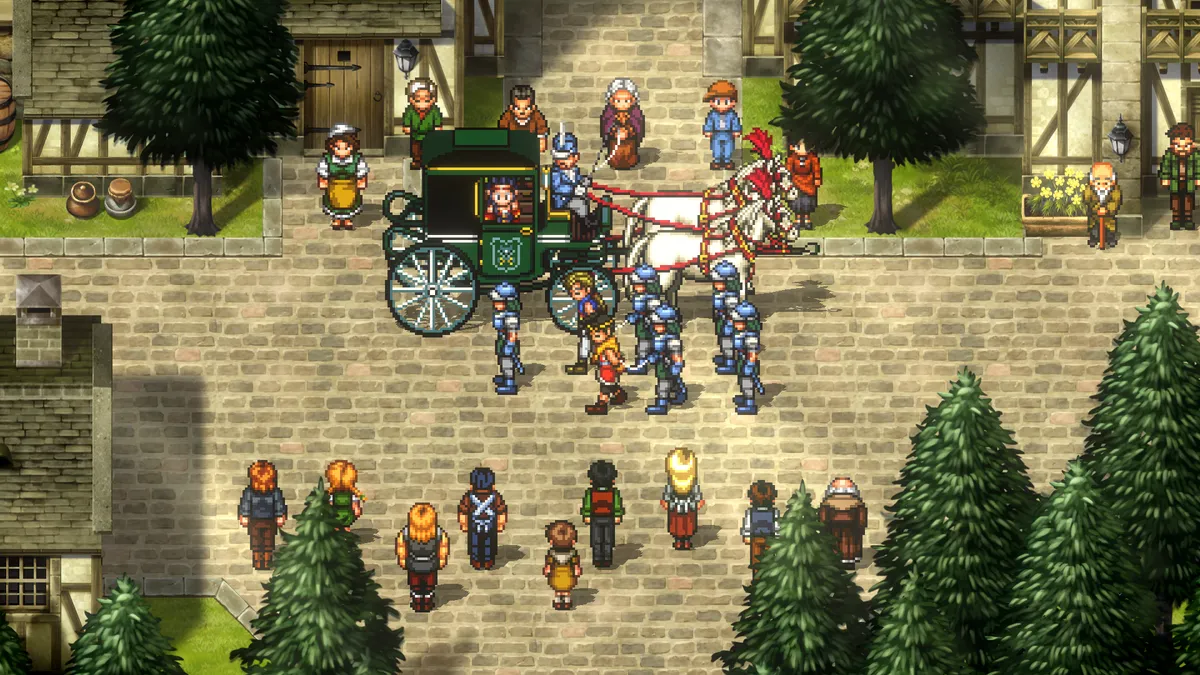
Suikoden 2's one of the most recent games to receive this treatment, and it's been one heck of a roller coaster ride for Konami's now-beloved RPG. It's been praised from the rooftops for so long it's easy to believe the game's always been understood and adored, but in truth early reactions to the game's English release were actually pretty tepid:
- — Gamefan magazine reviewer Eric Mylonas, 70/100
- — RPGFan.com, 80/100
These mild takes were the perfect foundation for a true gaming legend. It wasn't until it was far too late, when all the English language copies (which were always in short supply) had been snapped up and resale prices had shot through the roof, that whispers started getting around and people finally realised what they'd missed—and how much it would now cost to correct their mistake. Price-related questions come up frequently on message boards, sometimes serve as the headline , and dedicated fansite Suikosource has dedicated to buying the games, with topics going back decades. There's no escaping the fact that before last month, owning Suikoden 2 took serious commitment and a lot of money.

Thanks to the the game is easier to buy and play than it ever was when it was new, and the general mood is one of relief and gratitude. Variants of are common, and comments focussing on the games themselves are almost universally positive. It's generally a happy ending for the much sought after RPG (even if the remaster it's wrapped up in still needs some work), its modern reception at a relatively high price tag echoing all yono app the years of positivity that came before it. The game is good, Luca Blight is a monster, Clive's quest is still tripping people up, and people are passing around cooking contest tips like it's 1999.
A quick check of some other equally wonderful rarities soon reveals similar happy sentiments:
- One Ninja Five-O review reads , sadly not even a slight exaggeration of the cart's current resale price.
- Radiant Silvergun gets a
- Umihara Kawase, the first game
in perhaps the world's only fish-themed puzzle-platforming series, is with another declaring it
Sometimes, being good and available is enough to see an older game through.
Cheap n' (un)cheerful

What happens when games like these are released on Steam for 20 bucks? They get to live again.
But not always. Gimmick, a NES platformer most famous for being expensive and releasing years after everyone stopped caring about NES platformers, has received a more muddled response. Is it a masterpiece or some haggard relic of the past? , with modern points of view based on more affordable and readily available versions of the game notably skewing towards the negative. At least everyone can agree on one thing: it's not easy. , the multiformat gaming website that will surely outlive us all, rated it as "Tough," with the next most popular option being "Unforgiving." Ouch.
received a more generally positive welcome to the modern era, although certainly not one that reflects the WonderSwan original's incredible scarcity and hyper-inflated price tags (at the time of writing, the cheapest used physical copy of the game I could find on eBay costs over $2,000). People generally quite like it when they play it. It's fine. Nice enough. A perfectly reasonable way to spend $4.99.

These muted compliments are as precious as any amount of enthusiastic praise, because they can only happen when these games are taken out of their ever-shrinking retro bubbles and given back to everyone. The pressure is off, for the game and the person playing it. The game doesn't have to offer a religious experience to be worthwhile. Nobody has to make a snap decision to grab a copy because it's available in infinite supply at a fixed price. Being fun (or annoying) for a bit can be enough now there are no carts to produce, aging hardware to maintain, region locks to circumvent, or import charges to cover.
So, what happens when games like these are released on Steam for 20 bucks, without the (sometimes overbearing) guiding hand of historical context to declare them important and unmissable?
They get to be celebrated again. Played for the first time again. Misunderstood again. Loathed again. Ordinary again. Recommended again.
Most importantly of all, they get to live again. Discussed and dissected online, old tips and tricks dusted off and passed on to grateful new fans. Ancient grumbles and frustrating sticking points can be validated by today's players—yes, that segment was stupid and unfair and you were right to turn it off and never touch the game again. Childhood hype can mature into detailed dissections of deeper themes, and friendly after-school rivalries revived as online speedrun sessions.
You can't put a price on that.