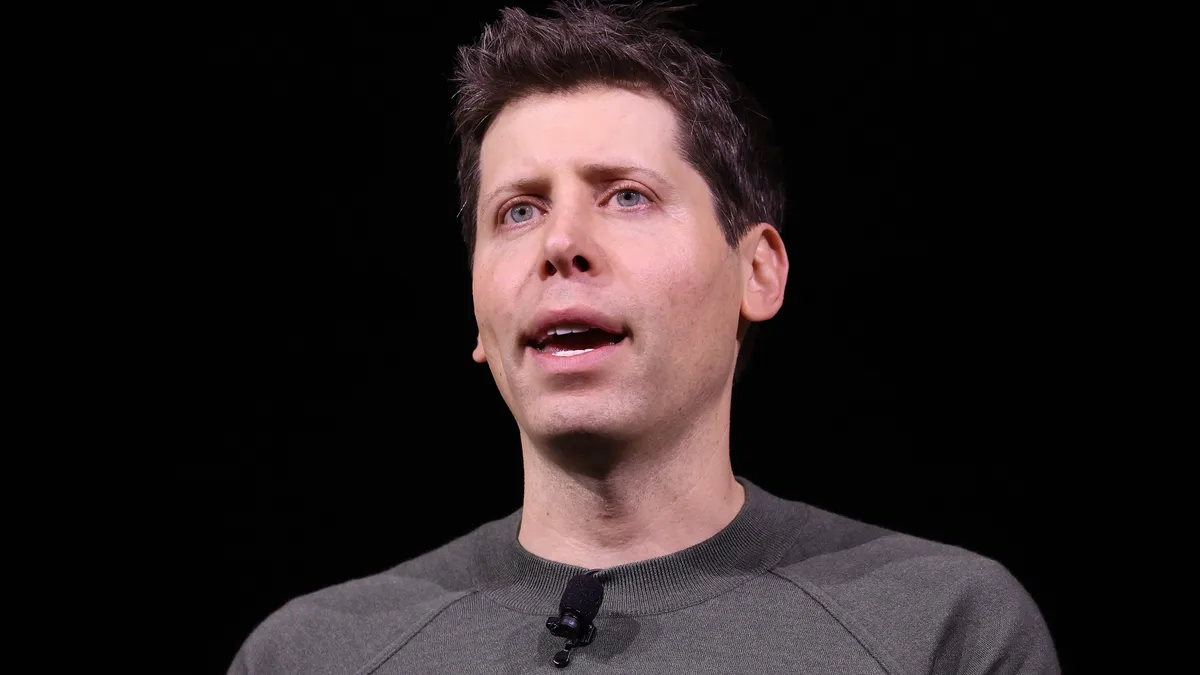
OpenAI chief executive Sam Altman has been at the Capital Framework for Large Banks conference, and he's had some worrying things to say about the interaction between AI and the job market. Speaking to the crowd during a fireside chat with Federal Reserve vice-chair for supervision Michelle Bowman, Altman seemed keen to pre-load his responses with a proviso:
"A thing that I like to remind people in our company of is, no-one knows what happens next. There's a lot of these really smart-sounding predictions… we have no idea. In my opinion… this is too complex of a system, this is too new and impactful rummy new app of a technology. It's very hard to predict."
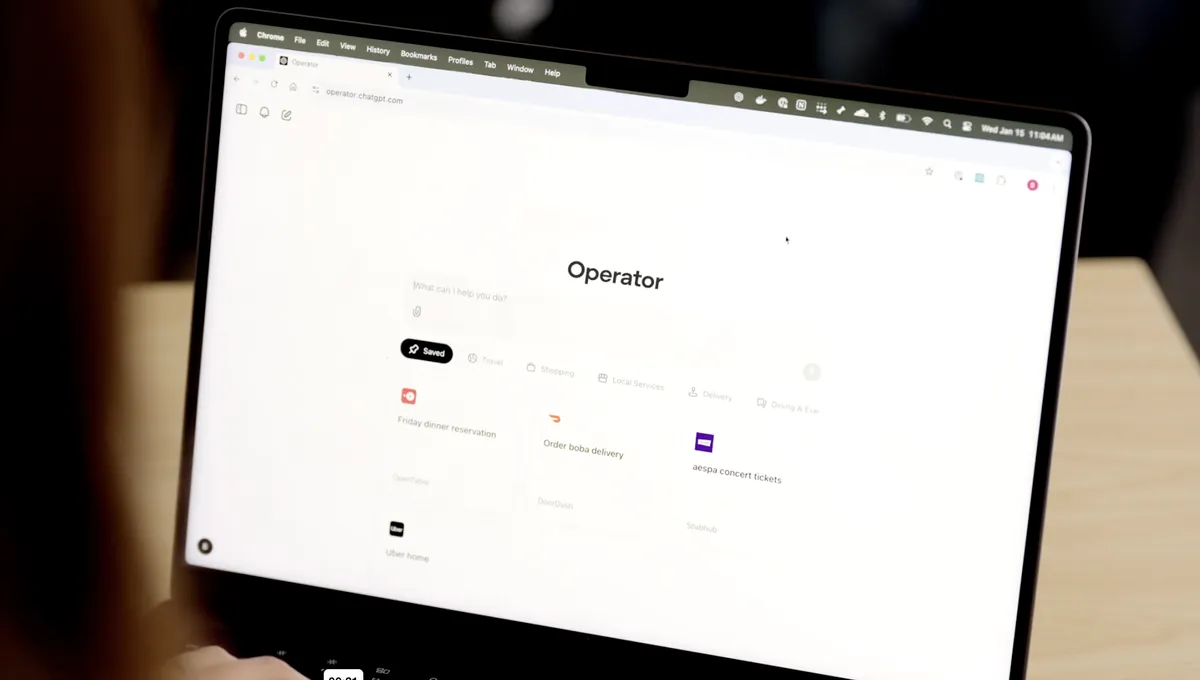
"Some areas, again, I think are just, like, totally gone. I don't know if any of you have used these , but it's incredible. A couple of years ago, you call customer support, you go through a phone tree, you talk to four different people, they do the thing wrong, you call back again, you wade through it, it's like hours of pain."
"Now you call one of these things, an AI answers, it's like a super smart capable person… it can do everything that any customer support agent at that company could do, it does not make mistakes, it's very quick, you call once, the thing just happens, it's done, answers right away, great."
"It doesn't bother me at all that that's an AI, not a person. That’s a category where I just say, you know what, when you call customer support, you’re on target and AI, and that’s fine."
So, it seems that's one prediction where Altman is prepared to draw a clear line. I can only speak from personal experience here, but while going through a phone tree to reach human support workers is indeed a pain, I'm not sure my experiences with AI customer support bots have been much better. Still, even Altman thinks that AI has its limits when it comes to replacing the expertise of certain types of qualified human worker.
"I really do want a human doctor. ChatGPT today, by the way, most of the time, is a better diagnostician than most doctors in the world. There's all these stories on the internet of like, ChatGPT saved my life… and yet people rummy nobel still go to doctors. Maybe I'm a dinosaur here, but I really do not want to trust my medical fate to ChatGPT with no human doctor in the loop."
Me neither, for what it's worth. Still, while doctors are still very much in the loop when it comes to our medical care, suggests that a fifth of participants are already using AI tools like ChatGPT to help with tasks like writing letters to patients after appointments. 28% of participants also admitted to using AI tools to suggest an alternative diagnosis.
Altman's comments come at the same time as a planned reveal of the , with items said to include an executive order designed to tackle "woke" AI models with a liberal political bias, another that would facilitate the building of , and a third that would use the US government's development finance institution to encourage exports of American technologies.
The details are planned to be unveiled later today, but I think it's rummy royal safe to say at this point that AI development and integration into everyday life isn't going away anytime soon. That's bad news for customer support workers and their ilk, according to Altman—so if that's your industry, it might be time to finally think about studying for that medical degree. You're still going to want human journalists, though, right? Asking for a friend.

👉👈
1. Best gaming chair:
2. Best gaming desk:
3. Best gaming headset:
4. Best gaming keyboard:
5. Best gaming mouse:
6. Best PC controller:
7. Best steering wheel:
8. Best microphone:
9. Best webcam: